
sandblasted glass door panels
How to Find the Main Water Valve Finding the main water valve in your home is an essential task that every homeowner should undertake. This valve regulates the flow of water into your property and can be crucial in emergency situations such as leaks or flooding. In this article, we’ll explore how to locate the main water valve, the reasons it is important, and what to do once you find it. Understanding the Importance of the Main Water Valve The main water valve serves as the gatekeeper for your indoor plumbing. It allows you to cut off the water supply to your entire home, which is critical during emergencies. For instance, if a pipe bursts or a fixture starts to leak, you can quickly shut off the water to prevent extensive damage. Additionally, reducing water flow during major plumbing repairs is imperative to maintain control of water usage. Steps to Locate the Main Water Valve 1. Identify the Waterline Entrance The first step in locating your main water valve is to determine where the water line enters your home. Typically, this will be in the basement, crawl space, or the area near your water meter. If your home does not have a basement, look around the lowest level in a utility closet or on a wall facing the street. 2. Inspect Common Locations The main water valve can often be found in specific areas of the home. Here are the most common locations - Basement If you have a basement, check the wall closest to the street where water pipes usually enter. The valve may be near the water heater or along the wall. - Crawl Space In homes with crawl spaces, the valve is often located near the foundation wall where the water line comes in. - Garage Some homes have the main water valve in the garage. Look along the wall and near the floor. - Outside Wall Occasionally, the valve might be located outside, particularly if there is an outdoor faucet with a shut-off valve. 3. Recognize the Valve’s Appearance The main water valve can come in different types, but it typically has a round or oval handle or a lever. A common configuration is a gate valve, which needs to be turned clockwise to close . In some cases, especially in newer homes, you may encounter a ball valve, which has a lever handle that you can flip 90 degrees to shut off the water. how to find main water valve 4. Look for Indicators If you still can’t find the valve, look for any indicators. Sometimes, the valve may be marked by a small sign or sticker (written “Main Shutoff” or similar). If you have a water meter, the main valve is usually located close to it. 5. Test the Valve Once you’ve found the valve, it’s wise to test it. Turn it clockwise to ensure it closes and counterclockwise to ensure it opens. It’s best to do this periodically to prevent it from seizing. What to Do After Finding the Valve Knowing where your main water valve is located is only part of the equation. Here’s what to do after you’ve found and tested it - Inform All Household Members Make sure everyone in your household knows the location of the main water valve and how to operate it. This is crucial during an emergency when quick action can save you from significant water damage. - Consider Replacement or Upgrades If your valve is old or difficult to operate, consider having it replaced with a more modern valve type. A ball valve, for example, offers easier operation and a more reliable seal. - Document the Location Write down the valve’s location in a home maintenance journal or create a label near the valve. This ensures that you or anyone else can easily find it in the future. In conclusion, finding your main water valve is an essential skill for any homeowner. By following the outlined steps, you can locate and ensure you know how to operate this critical piece of your plumbing system. Take the time now to identify it so that you’re prepared for any potential plumbing emergencies in the future.
about
sandblasted glass door panels
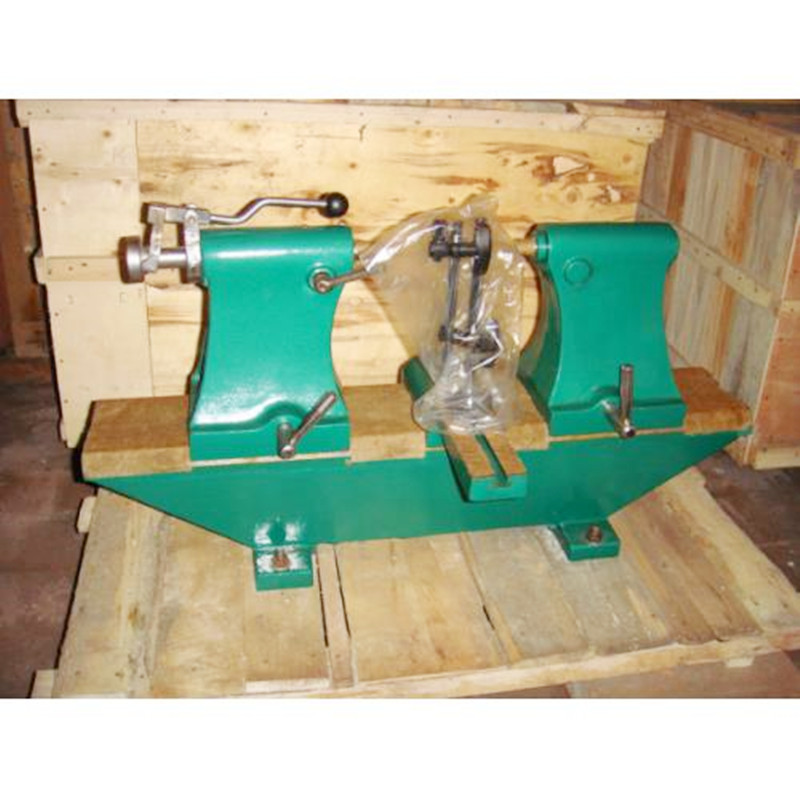
Understanding the Measurement Platform A Key to Data-Driven Decision Making In today’s digital age, where information is ubiquitous and technology is ever-evolving, the concept of a measurement platform has emerged as a cornerstone for businesses aiming to make data-driven decisions. But what exactly is a measurement platform, and why is it crucial for organizational success? A measurement platform is essentially a structured system designed to collect, analyze, and interpret data from various sources. It serves as a tool for businesses to gauge performance metrics and understand the effectiveness of their strategies, campaigns, and overall operations. The primary goal of this platform is to convert raw data into meaningful insights that can guide decision-making processes. One of the most compelling aspects of a measurement platform is its ability to consolidate data from multiple channels. In a world where customer interactions happen across websites, social media, mobile apps, email, and more, having a unified view of data is essential. This consolidation allows businesses to understand customer behavior holistically rather than in silos. For instance, analyzing customer engagement across different platforms enables businesses to identify trends, preferences, and areas for improvement. Key Components of a Measurement Platform To be effective, a measurement platform generally includes three key components data collection, data analysis, and reporting. 1. Data Collection This is the foundational step where businesses gather data from various sources. It often involves integrating different tools and technologies such as web analytics, social media metrics, customer relationship management (CRM) systems, and more. Tools like Google Analytics, Adobe Analytics, and other specialized software play crucial roles in this phase, ensuring that the data collected is accurate and comprehensive. 2. Data Analysis Once data is collected, the next step is analysis. This process transforms raw data into actionable insights. Various analytical techniques and methodologies are employed, such as statistical analysis, predictive analytics, and visualization tools. By analyzing data patterns, businesses can uncover valuable insights about customer behavior, market trends, operational efficiency, and potential risks. 3. Reporting The final component of a measurement platform is reporting, where insights are presented in a digestible format . Effective reporting tools visualize data through dashboards and charts, making it easier for stakeholders to interpret findings. Clear, understandable reports ensure that decision-makers have access to the information they need to formulate strategies and drive growth. measurement platform The Importance of a Measurement Platform The benefits of implementing a measurement platform are manifold. First and foremost, it enhances accountability within organizations. By establishing specific KPIs (Key Performance Indicators) and metrics, teams can track progress and performance with greater clarity, leading to more informed decisions. Moreover, a measurement platform fosters a culture of data-driven decision-making, encouraging teams to rely on evidence rather than intuition. Additionally, businesses can optimize their marketing efforts through better insights. By understanding which campaigns drive engagement and conversions, organizations can allocate resources more effectively, ultimately maximizing ROI (Return on Investment). Moreover, the ability to segment data allows for personalized marketing strategies, enhancing customer experiences and fostering loyalty. Challenges and Considerations Despite its advantages, creating an effective measurement platform is not without challenges. Data privacy concerns, integration issues, and the sheer volume of data can complicate the process. Businesses must ensure compliance with regulations such as GDPR and CCPA while maintaining data accuracy and security. Furthermore, organizations should be mindful of the importance of user training and adoption. Ensuring that teams are well-versed in utilizing the platform effectively is crucial for maximizing its benefits. Conclusion In conclusion, a measurement platform is an indispensable asset for modern businesses striving for growth and competitiveness. By providing a structured approach to data collection, analysis, and reporting, it equips organizations with the insights needed to make informed decisions. As technology continues to advance, the need for robust measurement platforms will become even more critical, paving the way for a future defined by data-driven success.
-

High quality industrial productsagement

High quality industrial products
View Details -

Meet the diverse needs of customers

Meet the diverse needs of customers
View Details -

Strict quality control

Strict quality control
View Details -

Top raw materials

Top raw materials
View Details -

Trusted supplier

Trusted supplier
View Details
Our application


news and information
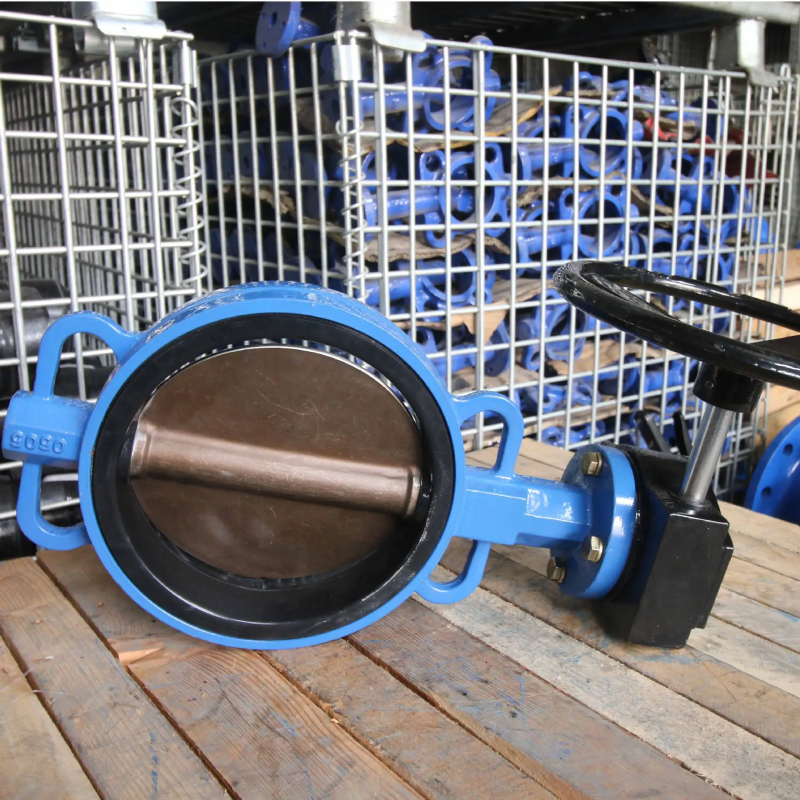
What Is the Difference Between a Silent Check Valve and a Regular Check Valve_
In the realm of fluid dynamics, valves play a crucial role in controlling the flow of liquids and ga
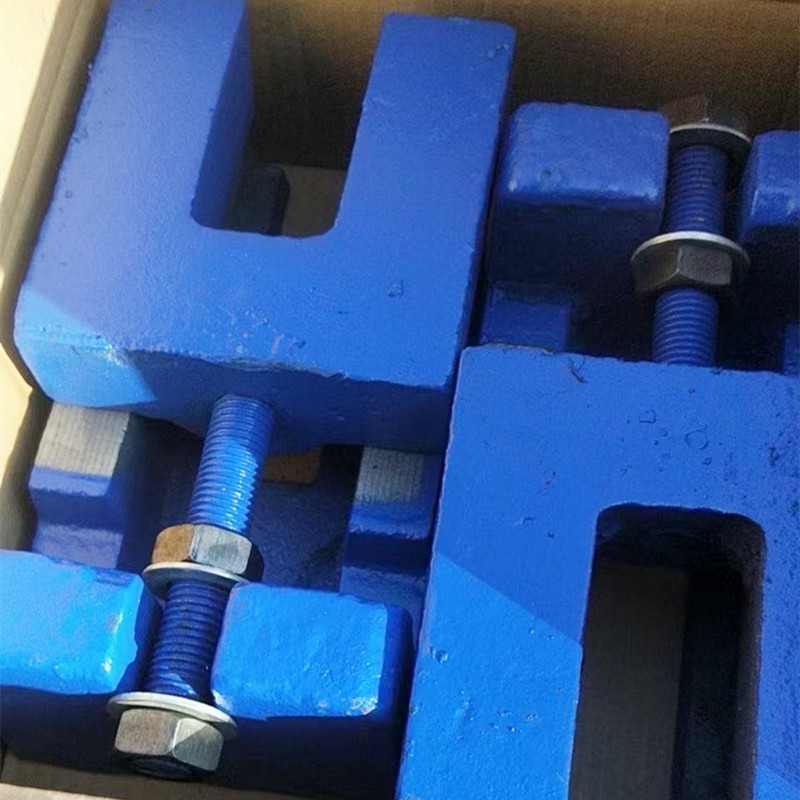
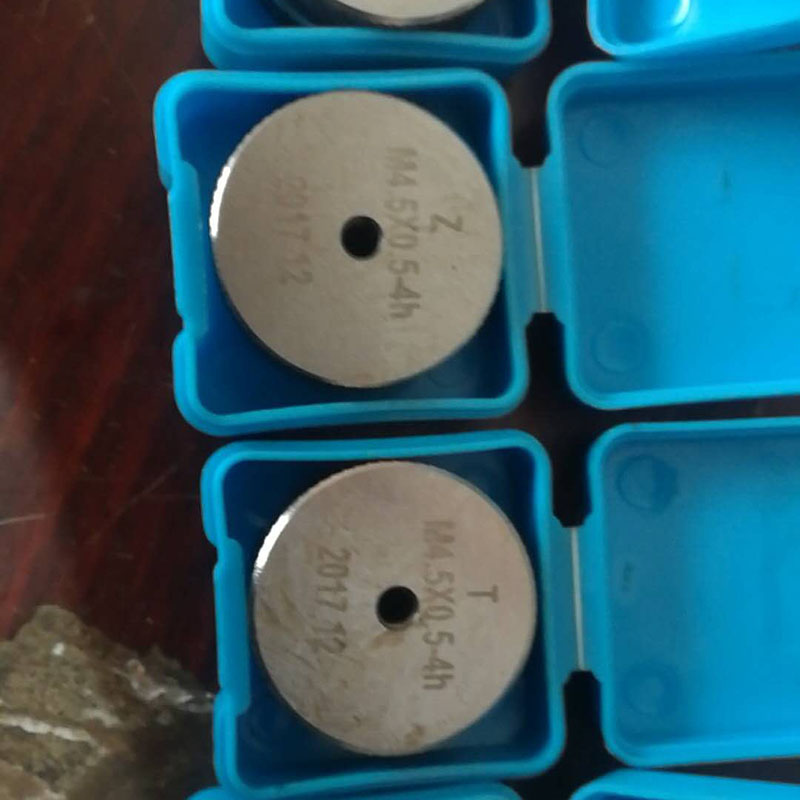
Using Ring Gauges for Accurate Measurement and Quality Control in Manufacturing
The Importance of Ring Gauges in Quality Control In the realm of manufacturing and quality control,
Welding Fabrication Techniques A Comprehensive Guide for Professionals
Understanding Welding Fabrication Tables A Key Tool for Precision and Efficiency Welding fabrication
 English